A water tank is one component of a storage system. The useful capacity, base, refill source, inlet arrangement, overflow, pump and water quality plan all affect whether the installation meets its purpose. This guide highlights the decisions worth making before requesting equipment.
Estimate demand and refill capability
Start by listing normal water uses and how long the property needs to operate without its usual supply. The volume required for household backup differs from that for irrigation or a commercial process. Also consider how quickly the tank can be refilled and whether future demand is likely to change.
Not all nominal tank volume is available to the outlets or pump. The lowest usable water level, outlet height and system controls may reduce usable capacity. An installer can help calculate storage from actual demand and the desired reserve.
Make sure the site is suitable
The tank must stand on a stable, level foundation designed for the filled weight and the manufacturer’s support requirements. Confirm access for delivery, lifting where necessary, maintenance and future replacement. Check local site restrictions and any relevant project drawings.
Record the available footprint and height clearance. Include whether the tank will be indoors, outdoors, exposed to sun or linked to an existing tank. Material, colour, fittings and installation conditions should be matched to the intended water use.
Design the inlet, overflow and outlet
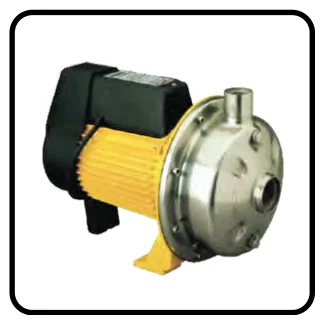
Plan the incoming supply, isolation, backflow protection where required, overflow discharge and any washout or drain. Where a pump draws from the tank, the outlet position and minimum operating water level matter. Level indication and dry-run protection may be useful.
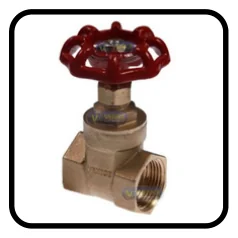
Avoid choosing fittings by appearance alone. Record thread sizes, bulkhead or tank connector dimensions and pipe material. An accessible valve on the outlet can simplify later maintenance, provided it is appropriate for the installation.
Consider water quality and maintenance
Potable-water applications need materials and hygiene practices suitable for drinking-water use. Other installations may have different treatment requirements. A lid, screened openings where appropriate and a cleaning plan can reduce unwanted contamination.
K&T’s storage category includes tanks and related accessories. When requesting a quote, include capacity, installation position, dimensions, application, connection sizes and whether a pump or filtration stage is also required.
Your enquiry checklist
Gather these details so K&T can help narrow the correct product options:
- Daily demand and desired backup period
- Tank position, footprint and support
- Inlet, outlet, overflow and level-control details
- Water-use category, pump and treatment needs
Frequently asked questions
- Can I place a full tank on any paved area?
- No. Confirm foundation and support requirements for the tank’s full operating weight and the site conditions.
- Does tank volume equal usable water volume?
- Not always. Outlet position, minimum level and the pump/control arrangement can reduce usable capacity.
For product availability, manufacturer specifications or project pricing, send K&T an enquiry with your requirements. You can also browse the relevant water tanks & storage range before requesting a quote.