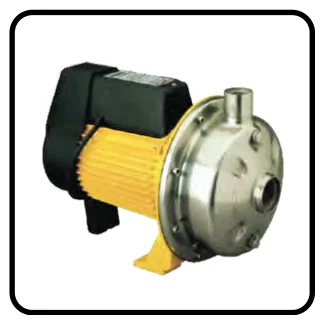
A pressure pump is not simply a bigger motor attached to a pipe. The right selection depends on how water enters the system, the number of outlets that may run together, elevation and the pressure needed at the furthest outlet. These steps help property owners and installers around Gqeberha prepare an informed pump enquiry.
Start with the water source
Establish whether water arrives from a municipal connection, a ground-level tank, an elevated tank, a borehole or a well. The available inlet conditions determine whether a surface-mounted booster, transfer pump or submersible pump is appropriate. A unit designed to push water is not automatically suitable for lifting water over a long suction line.
Record the approximate water level relative to the proposed pump position, the distance to the source and whether the supply is continuous. Where a borehole is involved, the borehole yield and operating water level are especially important. Dry-running a pump can damage it, so protection and monitoring should form part of the discussion.
Work out flow and total head
Flow describes how much water is needed over time, while head describes the energy required to overcome elevation, pressure at the outlet and friction in the pipework. A pump selected only by its maximum advertised pressure can deliver far less water at the actual operating point.
List the taps, showers, irrigation zones or process outlets that must run simultaneously. Note pipe lengths, elbows, filters and valves that could increase friction loss. An installer can use those figures to estimate a working duty point and then check the manufacturer’s performance curve.
Choose controls that suit the application
A domestic pressure system may use a pressure controller or pressure switch and pressure vessel. Other installations require variable-speed control, level switches, non-return valves or dry-run protection. Controls should suit the expected start-stop frequency and the availability of water at the source.
Ask how the system starts and stops, whether a small leak could cause repeated cycling, and how it behaves after a power interruption. Choose equipment rated for the available electrical supply and the installation environment; weather exposure and ventilation also matter.
Prepare an accurate quotation request
Send the intended use, number of simultaneous outlets, approximate height difference, pipe sizes and available power supply. Include any existing pump model, its observed problem and whether the requirement is a replacement or new installation.
K&T Water Solutions can help identify catalogue options and source suitable pump-system components for enquiries in Port Elizabeth, Nelson Mandela Bay and the Eastern Cape. Final sizing and installation should be checked against the actual system by a qualified installer.
Your enquiry checklist
Gather these details so K&T can help narrow the correct product options:
- Water source and available water level
- Required flow and outlet pressure
- Vertical lift, pipe length and pipe diameter
- Voltage, phase, controller and protection requirements
Frequently asked questions
- Will a larger pump automatically improve pressure?
- Not necessarily. Pipe losses, inadequate water supply and the actual pump duty point can limit performance, even with a larger motor.
- Can I use the same pump for a tank and a borehole?
- Not without checking suction conditions, water level and the type of pump required for each source.
For product availability, manufacturer specifications or project pricing, send K&T an enquiry with your requirements. You can also browse the relevant pumps & pressure systems range before requesting a quote.