HDPE and uPVC pipe systems are common in water distribution, plumbing and civil projects, but the names alone do not tell you which product belongs on a particular site. Compare the design conditions and connection method before requesting a pipe or fittings quotation.
Material and installation are linked
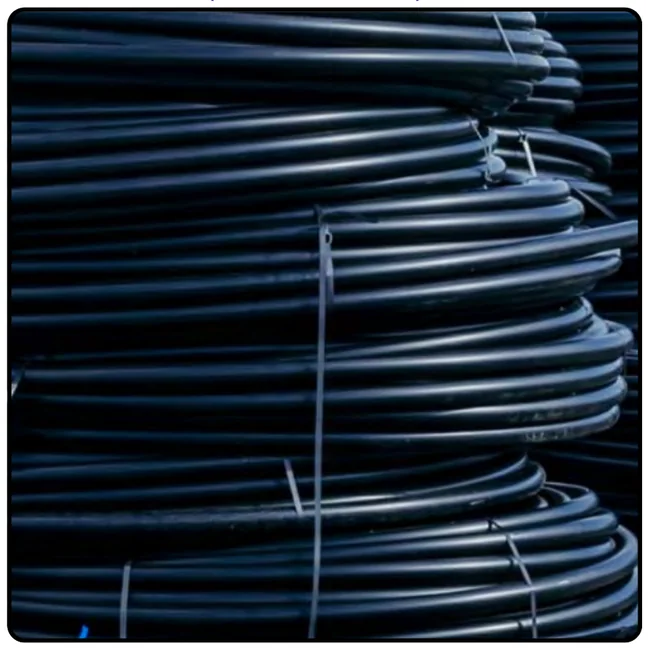
HDPE is commonly selected where a flexible thermoplastic pipe and compatible welded or mechanical jointing methods suit the installation. uPVC is a rigid thermoplastic material supplied in a range of dimensions and classes for defined uses. Neither material is universally better: installation access, ground movement, water temperature and project specifications all influence the choice.
Underground reticulation, building services, drainage and irrigation may require different grades or standards. Check whether the listed pipe is pressure-rated or intended for non-pressure drainage, and avoid substituting one type for another merely because the diameter looks similar.
Read the dimensions correctly
Pipe outside diameter, nominal size and wall thickness are not interchangeable measurements. HDPE pipe is often specified using outside diameter and a standard dimension ratio, while other systems may use nominal designations and pressure classes. Matching a fitting requires the precise pipe specification.
On a replacement project, inspect the existing pipe markings or obtain the project drawing. Share the actual outside diameter, material, pressure class and preferred connection method. That reduces the risk of receiving couplings that physically fit but are unsuitable for the design pressure.
Plan the jointing method
Compression fittings, flanges and certain mechanical couplings may be useful at defined transition points. Butt fusion or electrofusion can be part of an HDPE installation, provided the pipe, fitting, welding procedure and operator are compatible. uPVC installations may use solvent-weld or gasketed joints, depending on the product system.
Include isolation valves, thrust restraint, adapters and repair couplings in your material take-off. The correct joint is as important as the pipe length: a connection that is unsuitable for movement, pressure or installation conditions can become a weak point.
Compare against the specification
For municipal, agricultural and industrial work, check the contract drawings, relevant product standard and pressure requirements. Also confirm transport and handling needs for long lengths, coils or large-diameter pipes.
K&T’s catalogue includes pipe and fittings categories as well as the Flo-Tek Africa supplier range. For a quotation, provide quantities, lengths, outside diameters, pressure class, connection details and the intended application.
Your enquiry checklist
Gather these details so K&T can help narrow the correct product options:
- Pipe material and intended service
- Outside diameter and pressure class
- Pipe lengths and number of fittings
- Connection method and relevant project standard
Frequently asked questions
- Can a uPVC fitting be used directly on HDPE pipe?
- Only if the fitting and transition arrangement are specifically designed and rated for the two pipe systems.
- Does a bigger pipe always mean a higher pressure rating?
- No. Pressure class depends on material, wall thickness, product standard and the specific pipe design.
For product availability, manufacturer specifications or project pricing, send K&T an enquiry with your requirements. You can also browse the relevant pipes & fittings range before requesting a quote.