Valves play different roles in a water system. Some are chosen to isolate sections for maintenance, others to regulate flow or reduce unwanted reverse flow. Selecting by diameter alone can leave the system with the wrong operating characteristics or connection arrangement.
Identify the valve’s primary job
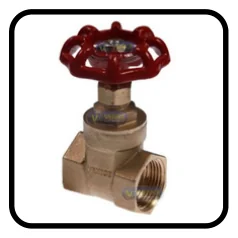
Gate valves are generally used for isolation, while ball valves provide quarter-turn shutoff in suitable sizes and services. Butterfly valves are frequently considered in larger pipework where their dimensions and actuator options suit the design. Check valves are intended to help limit reverse flow.
These are broad functional distinctions, not permission to use any model in any application. Consult the product datasheet to confirm whether the exact valve can be used for throttling, repeated operation or the required medium.
Check design pressure and materials
Pressure rating, operating temperature, media compatibility and installation environment are essential. A valve body, seats and seals may use different materials, each affecting suitability. In coastal or exposed areas, external corrosion protection and access can be additional considerations.
Where a project specifies a standard or approved valve type, follow that requirement. Ask for the manufacturer’s product specification rather than relying solely on a general product-family description.
Match connections and operation
Flanged, threaded, grooved and other connections require compatible mating components. For flanged installations, dimensions and bolt patterns must match the adjoining pipework. Check the available clearance for the handle, gearbox or actuator.
Decide whether operation is manual, electrically actuated or part of a wider control system. Where a valve will be buried or installed in a chamber, consider how it can be accessed and maintained safely.
Make an accurate valve enquiry
State the valve function, nominal size, pressure rating, connection type, medium, material preference and quantities. Include any drawing reference or approved-manufacturer requirement. If replacing a valve, photographs of nameplates and flange details can prevent confusion.
K&T’s valve and flow-control range includes isolation, control and related infrastructure products. Share your project details with the Gqeberha team to narrow the available catalogue options.
Your enquiry checklist
Gather these details so K&T can help narrow the correct product options:
- Isolation, control or reverse-flow prevention
- Size, design pressure and fluid
- Body/seat materials and connection standard
- Manual, geared or actuated operation
Frequently asked questions
- Can a gate valve control flow?
- Gate valves are generally chosen for isolation. Confirm the suitability of any throttling duty against the specific manufacturer’s instructions.
- Do all flanged valves of the same diameter fit?
- No. Flange standard, pressure designation, face-to-face dimensions and bolt pattern must match.
For product availability, manufacturer specifications or project pricing, send K&T an enquiry with your requirements. You can also browse the relevant valves & flow control range before requesting a quote.