Irrigation efficiency depends on getting water to the right area, at the right rate and time. Sprinklers and drip systems achieve this in different ways, and a successful design also needs a suitable pump, pipework, filtration and controls where applicable.
Compare how the water is applied
Sprinklers distribute water over an area through spray patterns and are commonly considered for lawns, landscapes and certain agricultural applications. Drip lines apply water more directly near plants and can be useful in planted beds or row crops, depending on the layout and soil conditions.
Neither approach removes the need for good scheduling. Wind, evaporation, soil infiltration, crop requirements and the position of emitters or sprinkler heads all affect how evenly the system delivers water.
Design around available flow and pressure
Measure the water source and check the required operating pressure of the selected emitters, sprinklers and valves. Dividing a landscape or field into zones may be necessary when the available water flow cannot support the full network at once.
Long pipe runs, elevation changes and undersized fittings create losses. A system design should account for the pump duty, lateral lengths and pressure regulation where required. Mixing incompatible sprinkler types within one zone can make uniform watering difficult.
Include filtration and controls
Drip emitters and other small outlets can be sensitive to particles, making filtration and flushing provisions important. Controllers, solenoid valves, sensors and suitable isolation can help maintain the intended watering programme.
For automated systems, establish what should happen after power loss, low source-water level or a blocked filter. Check maintenance access and the spare parts needed for the selected equipment.
Prepare the site plan
A simple drawing showing dimensions, planting areas, elevation changes, water-source position and proposed zones is extremely helpful. Include the type of planting, soil conditions if known and the supply characteristics.
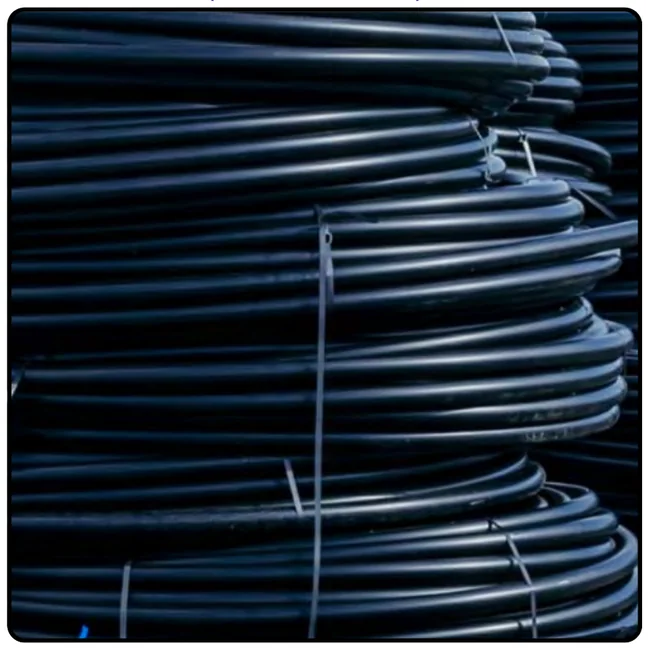
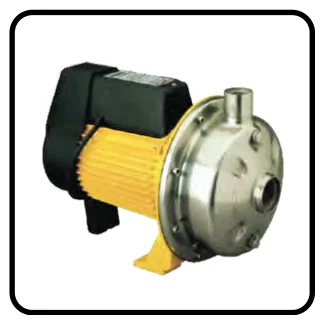
K&T can support irrigation product enquiries across the Eastern Cape with pumps, pipes, valves and associated equipment. An installer or designer should confirm the final layout and hydraulic performance before installation.
Your enquiry checklist
Gather these details so K&T can help narrow the correct product options:
- Site area, planting type and soil conditions
- Source flow, pressure and water availability
- Sprinkler or drip layout and irrigation zones
- Filtration, controls and connection schedule
Frequently asked questions
- Is drip irrigation always the better option?
- Not for every site. The suitable application method depends on planting, layout, soil, maintenance and available water.
- Can one pump supply all zones?
- Only if its operating performance matches the flow and pressure required for the chosen zone schedule.
For product availability, manufacturer specifications or project pricing, send K&T an enquiry with your requirements. You can also browse the relevant irrigation solutions range before requesting a quote.